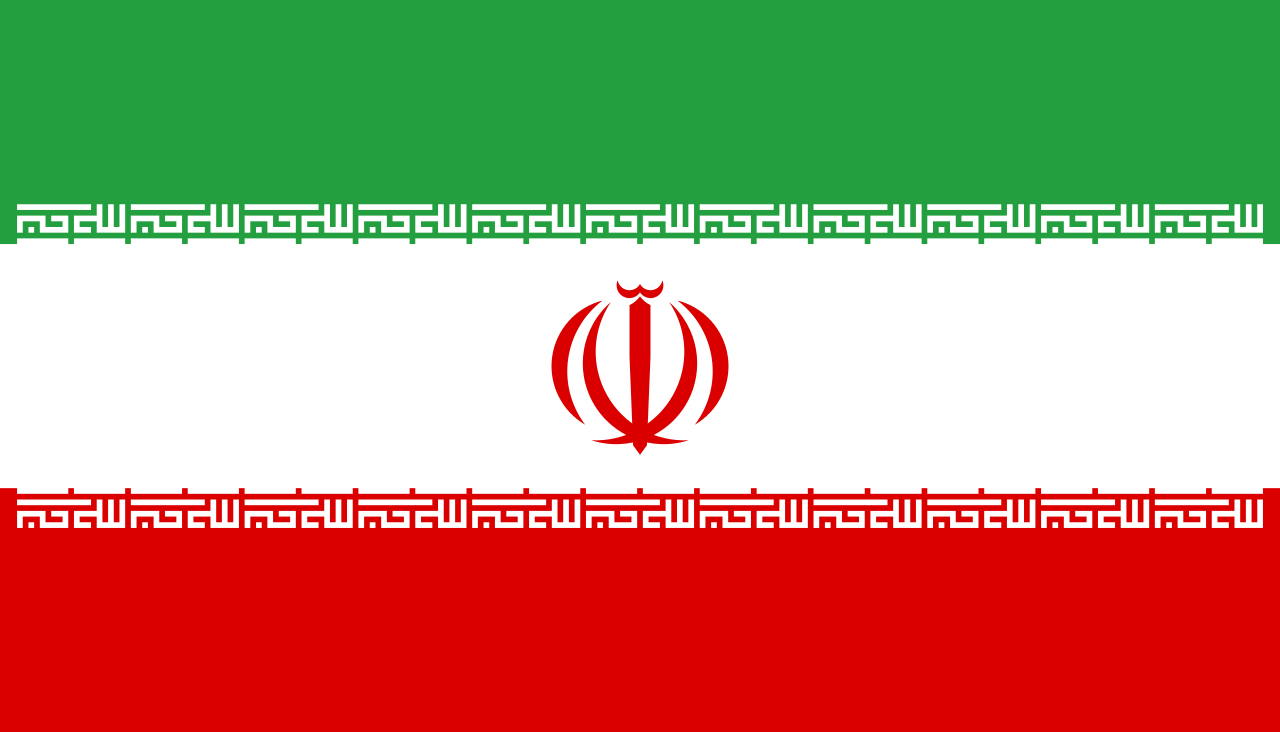
Geopolitical Storm: Why Iran May Miss World Cup 2026
The world of international football is bracing for an unprecedented challenge as geopolitical tensions threaten to overshadow the excitement of the FIFA World Cup 2026. With less than 100 days until the opening whistle, the looming specter of a regional conflict has cast significant
iran world cup doubt over the nation's participation in the prestigious tournament. Co-hosted by Canada, Mexico, and the United States, the expanded 48-nation event is set to kick off on June 11, with Iran – currently ranked 20th globally – among the qualified teams expected to arrive in North America well in advance. However, recent escalations in the Middle East have pushed Iran's presence from a sporting certainty to a diplomatic quagmire.
The Unfolding Geopolitical Storm
The Middle East is currently gripped by a severe conflict, the ramifications of which are echoing across the globe, reaching even the sporting arena. The recent surge in hostilities between the US, Israel, and Iran has plunged the region into a crisis that directly impacts Iran's ability to compete on football's biggest stage.
Escalating Tensions and Fatalities
The catalyst for the current uncertainty stems from a series of devastating attacks. Reports indicate that US and Israeli forces launched strikes on Iran, resulting in over a thousand fatalities, including the tragic loss of Iran’s Supreme Leader Ali Khamenei. This immense escalation triggered a swift and powerful response from Tehran, which unleashed waves of missiles and drones targeting Israel and US military bases across the Middle East. Such a profound and violent conflict between a participating nation and one of the host countries creates an immediate and complex challenge for FIFA and all involved parties.
The political climate in the United States, a primary co-host, reflects the gravity of the situation. Former President Donald Trump, speaking to Politico, articulated a seemingly indifferent stance on Iran's participation, stating, "I think Iran is a very badly defeated country. They’re running on fumes," and adding that he doesn’t care if they participate or not. This public sentiment from a key political figure in a host nation highlights the deep-seated political antagonism that will inevitably affect any logistical decisions regarding Iran's team entry. For a more detailed look at the developing situation, you can read about
Iran's World Cup 2026 Spot in Doubt Amid Middle East Conflict.
The Voice from Tehran: Iran's Football Federation Reacts
Amidst the chaos, the emotional toll on the Iranian sporting community is palpable. Mehdi Taj, president of the Football Federation of the Islamic Republic of Iran (FFIRI), conveyed the somber mood within the country to local sports portal Varzesh3. "After this attack, we cannot be expected to look forward to the World Cup with hope," Taj stated, underscoring the deep distress and lack of enthusiasm within the federation. This sentiment from the highest echelons of Iranian football administration starkly illustrates the domestic impact of the conflict and the profound
iran world cup doubt that has enveloped the nation's sporting aspirations.
Logistical Nightmares and Diplomatic Hurdles
Beyond the immediate emotional and political fallout, the practicalities of Iran’s participation present an almost insurmountable hurdle, primarily centered around entry into the United States.
US Host Nation Stance and Entry Barriers
A leading expert in sports and geopolitics, Simon Chadwick, a professor of Afro-Eurasian sport at the Emlyon Business School in Shanghai, has highlighted the severe logistical challenges. Chadwick strongly believes that Iran's participation is "in serious doubt amid an armed conflict between one of the host nations and a participant." He points out the immense difficulty in envisioning the US granting entry to Iranian players, coaches, backroom staff, and officials, including medics, who are essential components of any team delegation. "The US will not be keen to admit Iranian players, officials or medics... Given that they Iran are going to have to play their games in the US, I find it unlikely that they will be there," Chadwick explained. This perspective underscores the likelihood of the US imposing travel restrictions, effectively creating an impassable barrier for the Iranian squad. The complexities surrounding such a ban and its implications are further explored in
US Entry Ban & War: Iran's World Cup 2026 Future Uncertain.
The FIFA Dilemma: Commitment vs. Reality
FIFA, as the global governing body for football, is committed to facilitating the participation of all qualified teams. FIFA secretary general Mattias Grafström, during a press conference in Cymru, Wales, affirmed the organization's focus: "Our focus is to have a safe World Cup with everybody participating." However, this commitment faces a harsh reality. While FIFA is dedicated to inclusivity, it lacks the power to override the sovereign immigration policies of a host nation. The situation puts FIFA in an unenviable position, caught between its mandate for universal participation and the geopolitical realities of an armed conflict involving a host country and a participant. The question arises: what measures can FIFA take if one of its most prominent member nations is effectively barred from entry?
The Broader Implications: Sports, Politics, and Global Stage
The potential absence of Iran from the World Cup is more than just a logistical challenge; it carries significant political, ethical, and sporting implications.
The Precedent of Withdrawal and its Impact
Professor Chadwick suggests that a "diplomatic solution will be that Iran itself just steps aside and withdraws from the tournament." While this might appear to be a pragmatic solution to avoid direct confrontation and logistical nightmares, it is far from an easy decision for Iran. Walking away from the World Cup, a pinnacle of global sport and a significant source of national pride, would be a monumental step. For a nation that has invested heavily in its football program and fought hard to qualify for the tournament, withdrawing would be a bitter pill to swallow. It would mean sacrificing a unique platform to showcase national talent and identity on a global stage, potentially leading to deep disappointment among its passionate football fans. The decision would be weighed "very long and hard," as Chadwick notes, reflecting the profound internal struggle such a choice would entail.
Moreover, such a withdrawal would set a precedent, further blurring the lines between sport and politics. While sport is often celebrated for its ability to transcend differences, this situation highlights how deeply intertwined the two can become, especially during times of severe geopolitical tension.
What Lies Ahead: Potential Scenarios for Iran and FIFA
As the clock ticks down, several scenarios could unfold, each fraught with its own set of challenges.
*
Forced Withdrawal: The most likely scenario, as suggested by experts, is that Iran will find itself in a position where it cannot practically participate due to US entry restrictions. This would lead to either a forced withdrawal or an announcement from FIFA acknowledging Iran's inability to attend.
*
Last-Minute Diplomatic Breakthrough: While highly improbable given the current climate, a significant de-escalation of the conflict and a subsequent diplomatic resolution could, in theory, pave the way for Iran's participation. However, the depth of the current crisis makes this seem like a distant possibility.
*
FIFA Intervention: FIFA could face immense pressure to address the issue of a qualified team being unable to participate due to political reasons. This might involve exploring alternative arrangements, though shifting matches or finding substitute host venues so close to the tournament would be an organizational nightmare.
*
Replacement Team: If Iran withdraws, FIFA would then have to decide whether to invite a replacement team (e.g., the highest-ranked team that failed to qualify from Asia, or another mechanism) or proceed with a reduced number of teams in some groups, which would disrupt the tournament structure.
Ultimately, the unfolding situation places an enormous burden on both Iran and FIFA. The death of Iran’s Supreme Leader Ali Khamenei and the ensuing instability further complicate any decision-making processes within Iran. The uncertainty around Iran's leadership, combined with existing tensions, adds layers of complexity to the already precarious situation. The
iran world cup doubt isn't merely a fleeting concern; it represents a significant challenge to the spirit of global sportsmanship and the very fabric of international cooperation.
As the World Cup 2026 approaches, the world watches anxiously, hoping for a resolution that upholds both the integrity of the sport and the principles of fair play, even amidst the tempestuous currents of global politics.